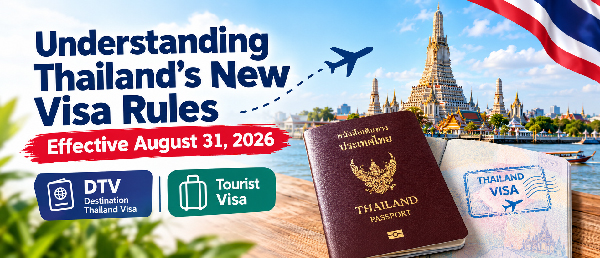
If you’ve been following the news, you may have heard about Thailand's new visa regulations set to take effect on August 31, 2026. If you're concerned about how these changes might impact your travel plans, here’s a straightforward overview to help you understand what to expect.
Visa Categories: DTV and Tourist Visas
The new regulations specifically impact two visa categories: the Destination Thailand Visa (DTV) and Tourist Visas. It’s important to clarify the differences between these two types to ensure you have the right information and plan accordingly.
Destination Thailand Visa (DTV)
The DTV caters to digital nomads, freelancers, students at Muay Thai or cooking schools, and festival musicians. Here are the key features:
Under the new rules, individuals applying for a DTV must provide a police clearance certificate or a criminal record check when submitting their application at the Thai embassy in their country of residence. Additionally, applications should be submitted at the embassy corresponding to the applicant's permanent residence. For example, applicants will no longer be able to apply for a DTV at the Thai embassy in Vientiane unless they are residents of Laos.
Tourist Visas
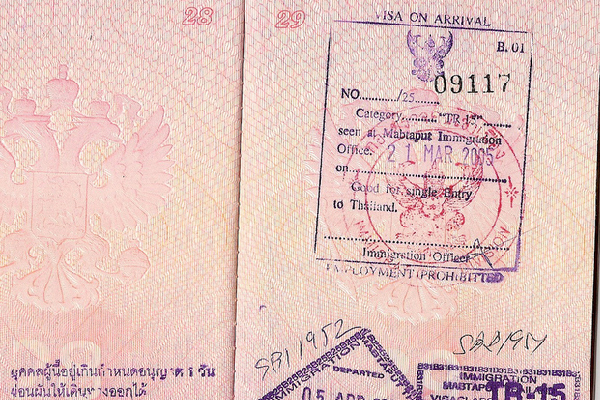
In terms of Tourist Visas, the Visa on Arrival has undergone some adjustments. Historically, this visa allowed travelers a 30-day stay in Thailand. However, to support tourism during the recovery from the COVID-19 pandemic, the duration was temporarily extended to 60 days. Now, the visa will revert to its original 30-day validity. This change applies to approximately 93 countries and continues to support Thailand's appeal as a welcoming destination for short-term visitors while streamlining the visa process.
Others changes to note:
September 2026.